At a glance
Choose the term around the time you need to trade and learn. Choose the store’s role separately: a flagship is not a standard lease duration.
A short run needs a specific reason to happen now.
A seasonal collection or product launch can give a temporary store a clear purpose and deadline. Work backward from that selling window. The space must be ready with enough time for stock, merchandising and training, not just an installation crew.
The end matters too. Identify where remaining product and fixtures will go, how the space must be returned and who will answer customer questions after closing. Those choices can affect fixture design and the budget before the first order is placed.
If the purpose is market research, distinguish launch activity from ordinary trading. A weekend with invited guests and promotion may reveal how people respond to the product. It is a limited basis for deciding how a store will trade without that activity.
A longer run gives you more trading conditions to observe.
A brand may need time to see repeat visits, replenishment cycles and changes in the collection before deciding on a more permanent presence. A mid-term arrangement can allow that, depending on the property and commercial agreement. There is no universal mid-term duration.
Extra time also brings ongoing costs and responsibilities. Someone must manage the team, stock, maintenance and customer service throughout the term. Ask whether the planned operating support lasts as long as the store does.
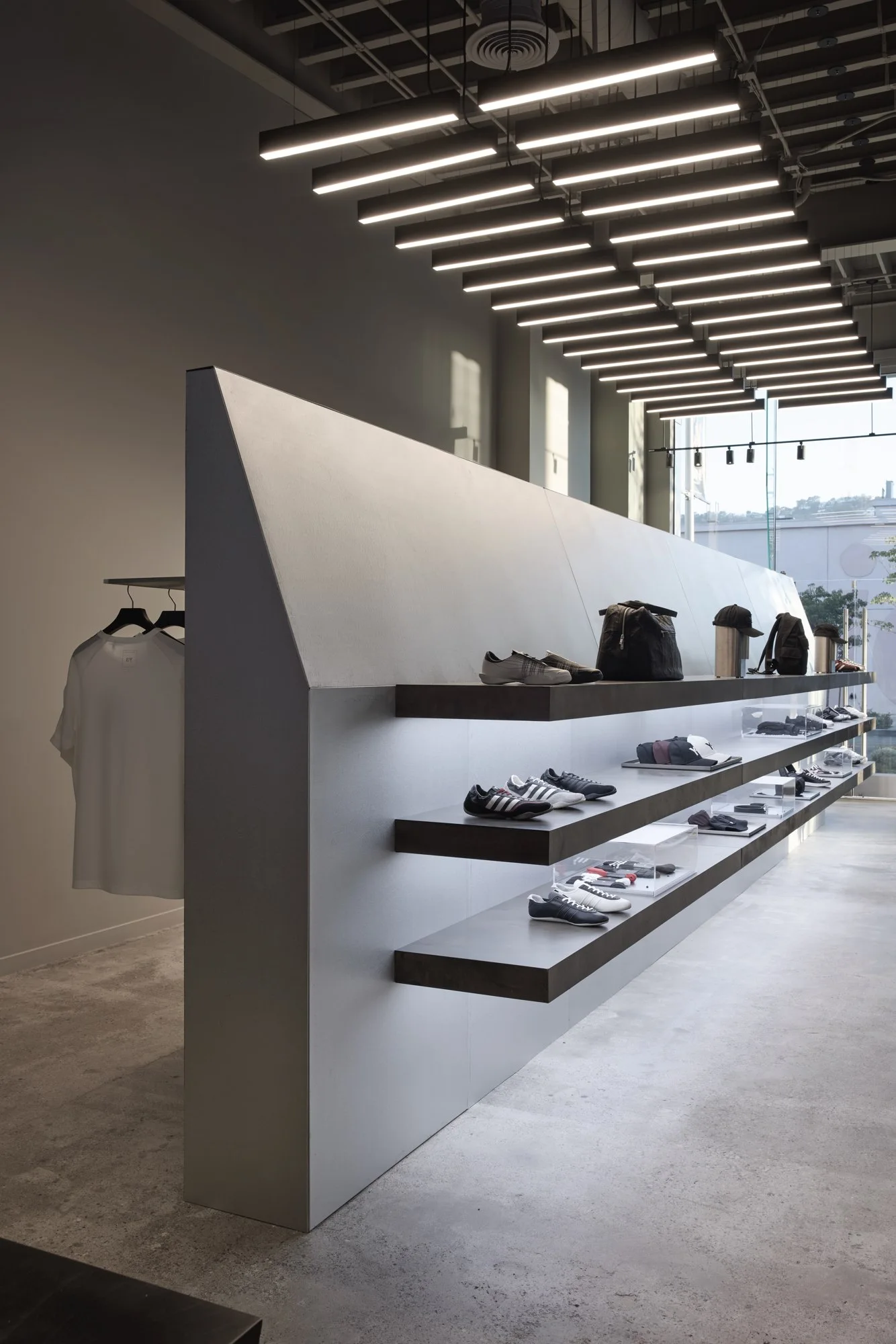
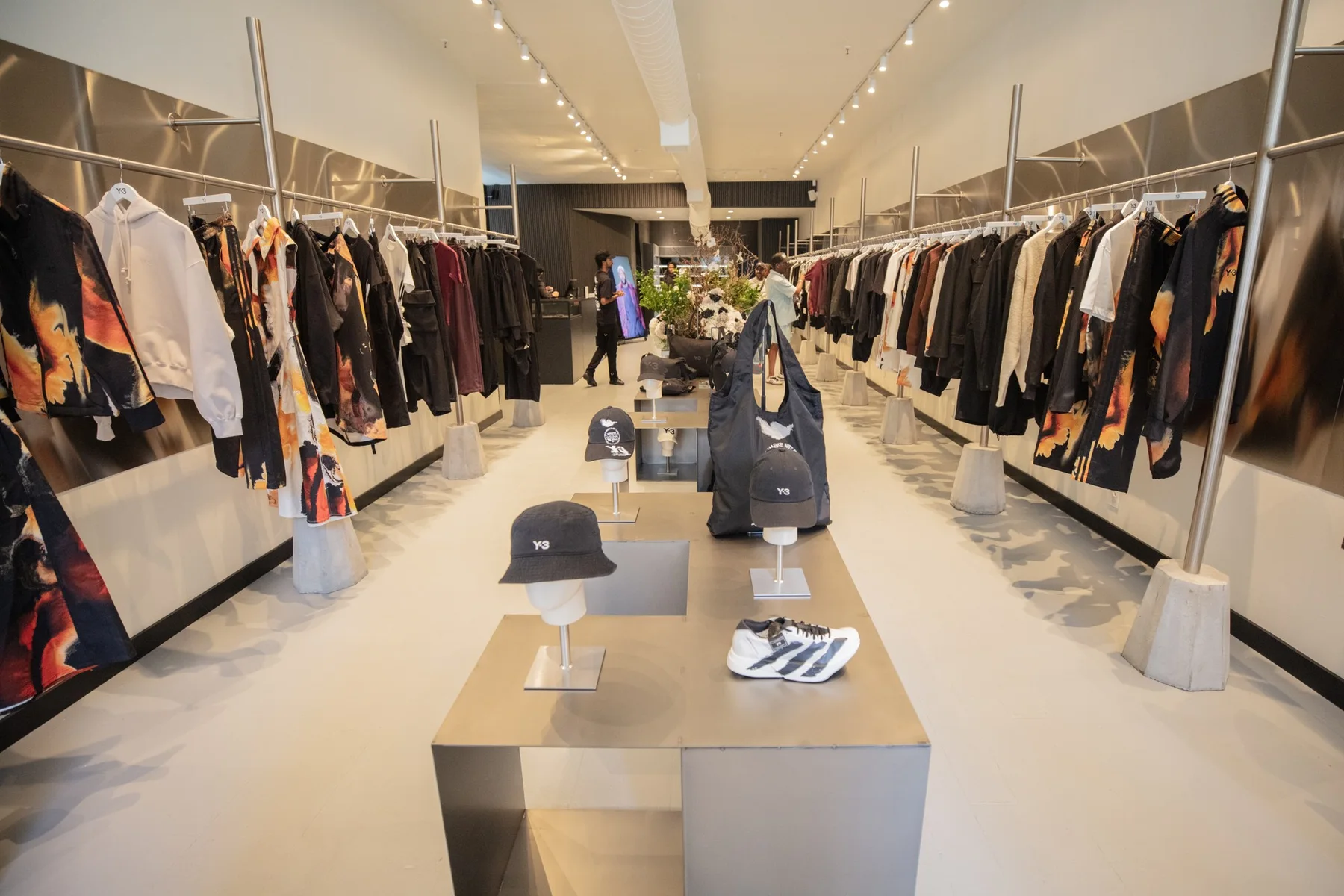
Retail by PopUp’s Y-3 work spans store development and ongoing management in SoHo and West Hollywood. The partnership includes operations, venue management, maintenance and marketing support. It demonstrates the breadth of work behind a sustained retail presence, without making either store a template for another brand’s term or costs.
A flagship needs an ongoing purpose.
A flagship can be the main physical expression of the brand in a market. Its role might include a broad assortment, appointments, product education or a distinctive service experience. Decide which of those functions the business will actually support.
Then plan the changes after launch. How will the next collection fit? Who updates the merchandising? How are fixtures maintained and staff trained on new products? A significant design investment still needs an operating plan.
The word flagship does not specify the lease length. Review its intended role and the commercial commitment as separate decisions.
Compare the complete life of each option.
A short lease does not make every other cost smaller. Design, training, installation and removal may still be substantial. Compare formats using the same cost categories so that a temporary store is not judged only by rent while a flagship is judged by its entire opening budget.
- Before opening: property costs, design, construction, stock, equipment and training.
- During trading: staffing, occupancy, replenishment, maintenance and marketing.
- At the end: removal, storage, transport, property return and customer support.
- For the decision: what you will observe, when you will review it and what could justify extending or changing the format.
Make the next decision before the term runs out.
Choose a review date that leaves time to act. If the store may extend, relocate or close, check when those decisions must be made under the actual agreement with your advisers.
Bring sales, stock availability, service feedback and operating costs to that review. A busy opening and a strong-looking store are encouraging, but neither tells you on its own what the next commitment should be.
How we can help